Chapter 1
Choosing Where and How to Use a Pergola
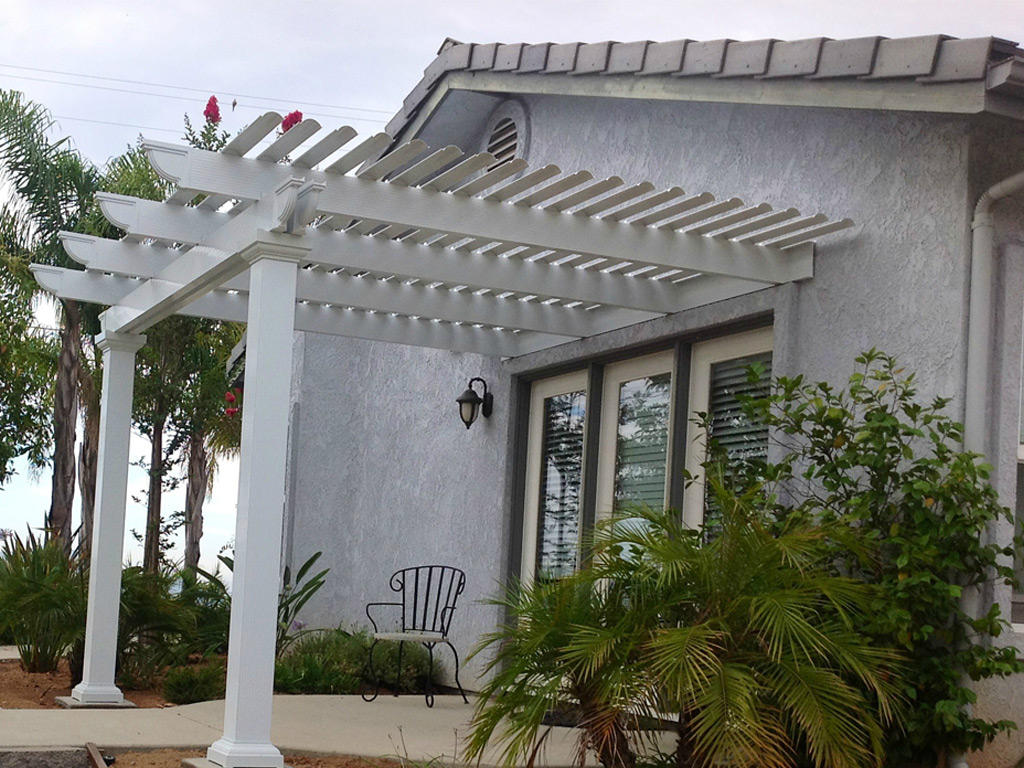
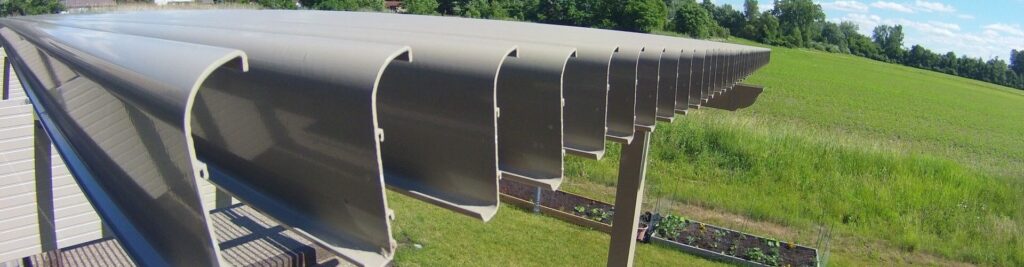
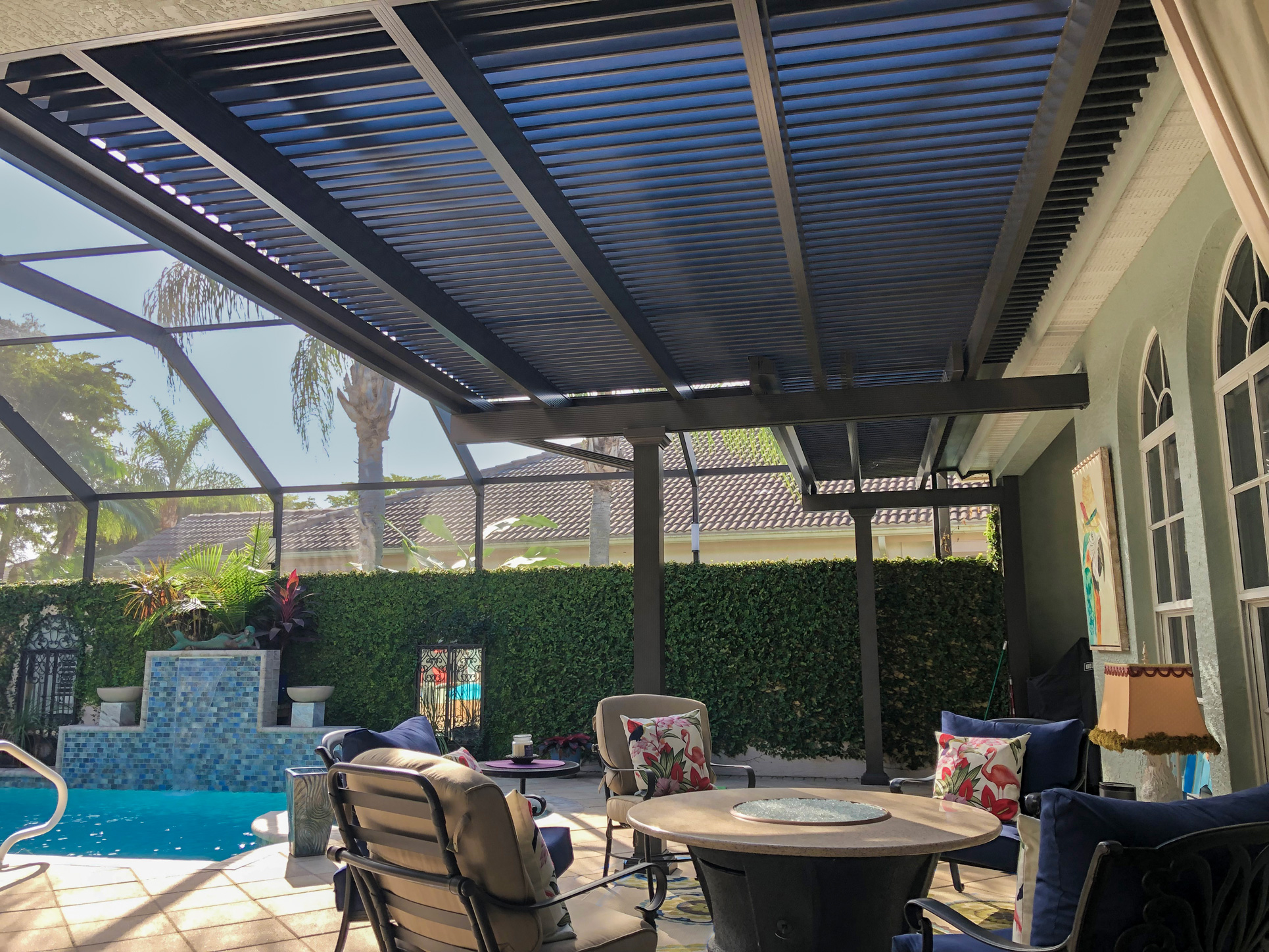
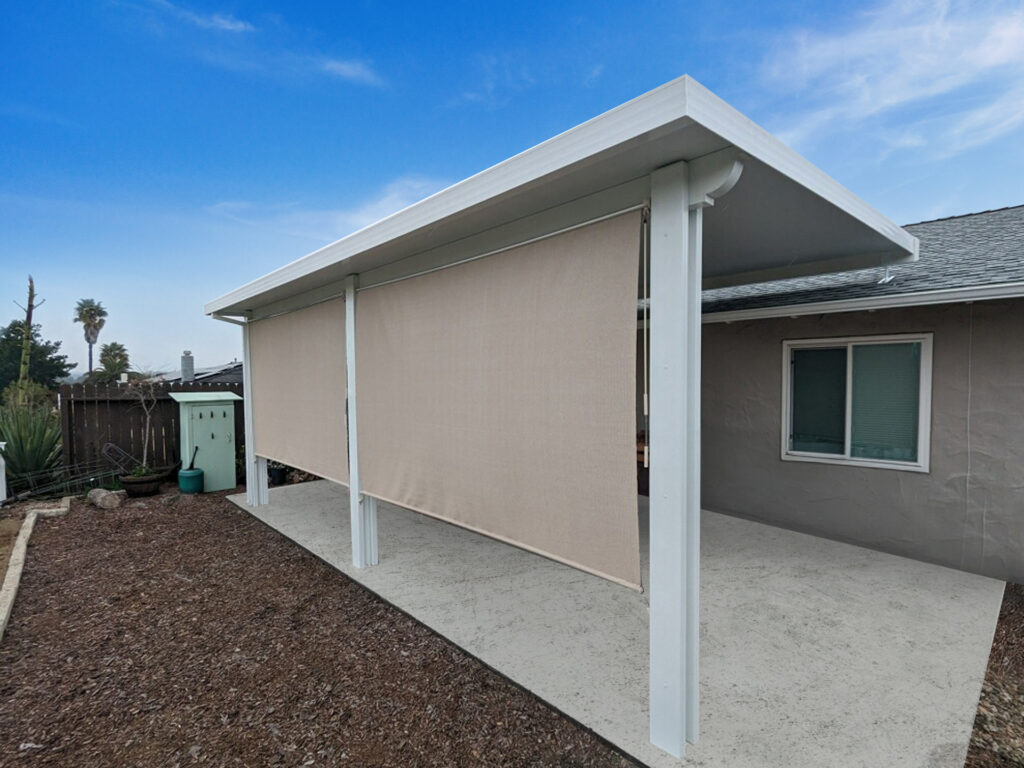
A pergola works best when it is planned as a place, not treated as an object dropped into the yard. Begin with the activities that deserve a comfortable setting: weekday dinners near the kitchen, a quiet seat beside the garden, a poolside conversation area, or a larger zone for friends and family. Then study how people will reach it, where furniture will sit, which views should stay open, and when direct sun makes the space difficult to use. A fixed lattice roof creates filtered shade and a pronounced open-air character. A solid patio cover provides more continuous shelter, while an operable pergola adds adjustable light and greater coverage when the louvers close.
Location also shapes permitting and construction. Property lines, setbacks, easements, pool barriers, coastal overlays, drainage routes, and buried utilities can eliminate an otherwise attractive spot. An attached pergola can extend the architecture of the home and shorten the route from inside to outside, but it requires suitable attachment conditions and careful water management. A freestanding pergola offers more freedom in the landscape, although its columns and footings still need an engineered load path and practical construction access.
For kitchens and dining spaces, plan beyond shade. Grills and heaters need listed clearances; smoke and heat need room to escape; lighting and receptacles require weather-rated electrical design. Around pools, walking clearances, equipment access, splash zones, and slip-resistant surfaces matter as much as appearance. Pacific Patio uses the consultation to combine these daily-use questions with field measurements and code constraints. The result should be a pergola that makes the yard easier to live in and still feels connected to the home.
Pergola, operable pergola, or solid cover?
| Option | What to consider |
|---|---|
| Fixed pergola | Filtered shade, airflow, and strong architectural definition. |
| Operable pergola | Adjustable sunlight with greater coverage when louvers are closed. |
| Solid patio cover | Continuous overhead shelter with a more enclosed roof presence. |
Questions about Choosing Where and How to Use a Pergola
A fixed pergola uses spaced lattice to create filtered shade and an open-air character; a solid patio cover is intended to provide continuous overhead shelter. An operable pergola bridges the two by opening for light and ventilation and closing for greater coverage. The best choice depends on whether the priority is architecture and dappled light, dependable rain protection, adjustable comfort, or a combination. During a Pacific Patio consultation, we review the property, intended use, exposure, and available TEMO configurations before recommending a design. The written proposal is the controlling source for project-specific scope, engineering, timing, price, and warranty terms.
Start with how people move through the yard and where shade is needed during the hours the space will be used. Consider doors, windows, views, cooking smoke, pool setbacks, property lines, drainage, utilities, and mature landscaping. A good location supports furniture and circulation without blocking important light or creating awkward posts. Sun orientation should be evaluated on site rather than guessed from a plan alone. During a Pacific Patio consultation, we review the property, intended use, exposure, and available TEMO configurations before recommending a design. The written proposal is the controlling source for project-specific scope, engineering, timing, price, and warranty terms.
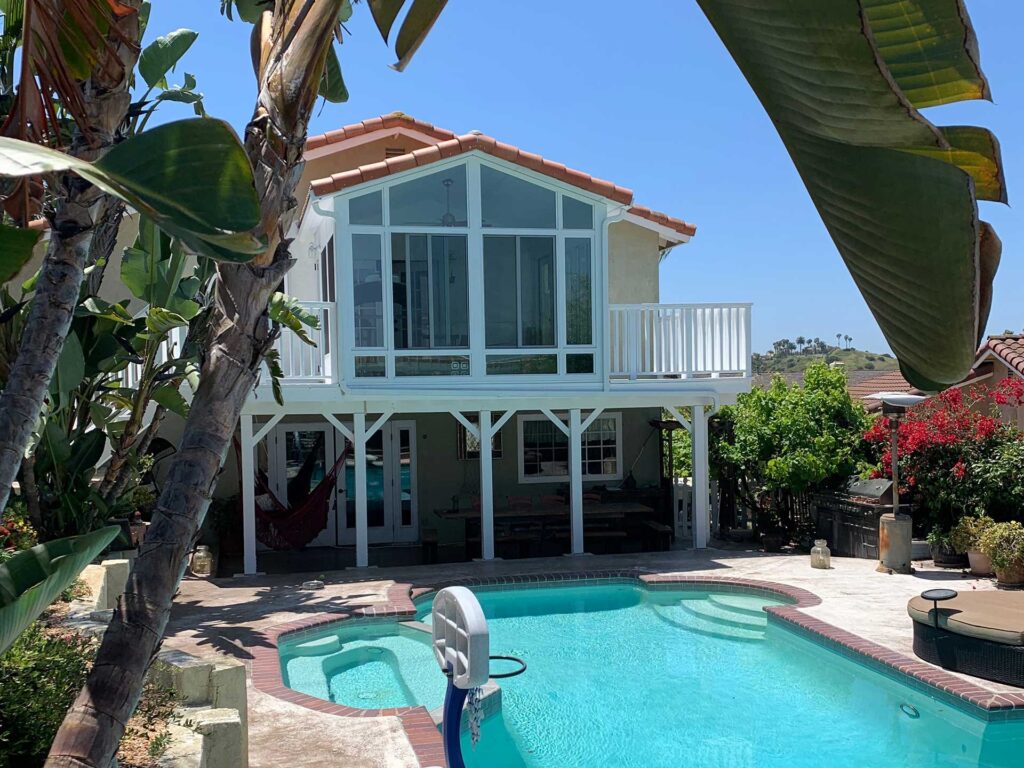
Pergolas can define lounge and conversation areas around a pool while retaining airflow and open views. Placement must preserve safe walking clearances, required barriers, equipment access, drainage, and setbacks from the water and property lines. Footing excavation also needs to account for pool structures and buried utilities. Slip-resistant surfaces and careful control placement are important when lighting or motorized louvers are included. During a Pacific Patio consultation, we review the property, intended use, exposure, and available TEMO configurations before recommending a design. The written proposal is the controlling source for project-specific scope, engineering, timing, price, and warranty terms.
A pergola can organize an outdoor kitchen or dining space, but appliance clearances, heat, grease, smoke, ventilation, electrical service, gas lines, and weather exposure must be planned together. A fixed lattice pergola does not create a waterproof roof. Operable louvers provide more control, yet drainage and manufacturer clearances still matter. Pacific Patio coordinates structure placement with the equipment and code requirements identified for the project. During a Pacific Patio consultation, we review the property, intended use, exposure, and available TEMO configurations before recommending a design. The written proposal is the controlling source for project-specific scope, engineering, timing, price, and warranty terms.